ancient-egypt9 min
Ancient Egyptian DNA: What the First Old Kingdom Genome Reveals
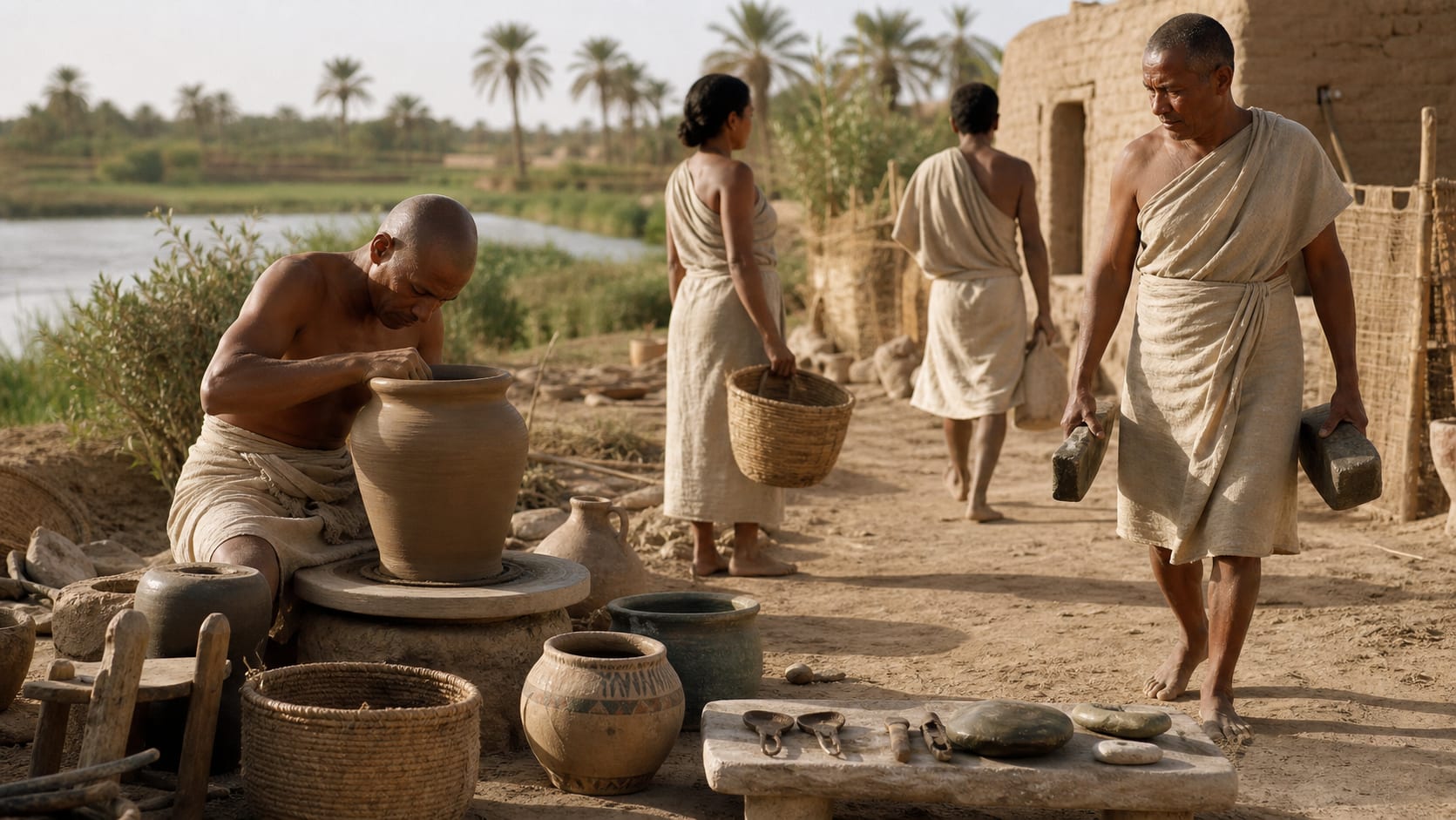
The first whole genome from Old Kingdom Egypt reveals deep North African ancestry and an eastern Fertile Crescent connection—with major limits.

Methodology deep-dives, population spotlights, and engineering notes from the Ancestrify team — qpAdm modelling, ancient DNA panels, and how genetic ancestry analysis really works.
16 stories
The first whole genome from Old Kingdom Egypt reveals deep North African ancestry and an eastern Fertile Crescent connection—with major limits.
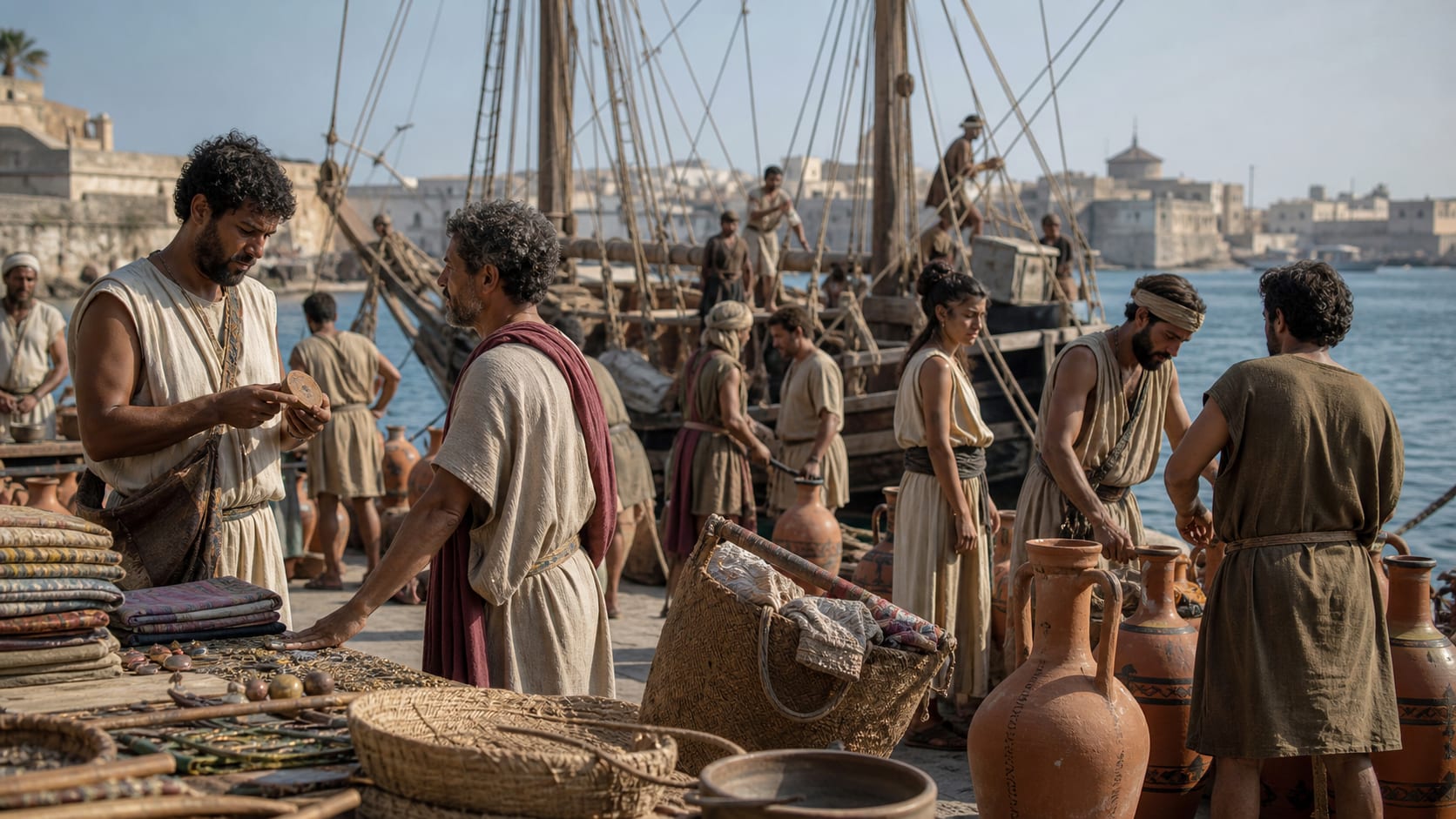
Ancient DNA reveals that Punic communities shared Phoenician culture but drew most sampled ancestry from Sicily, the Aegean and North Africa.
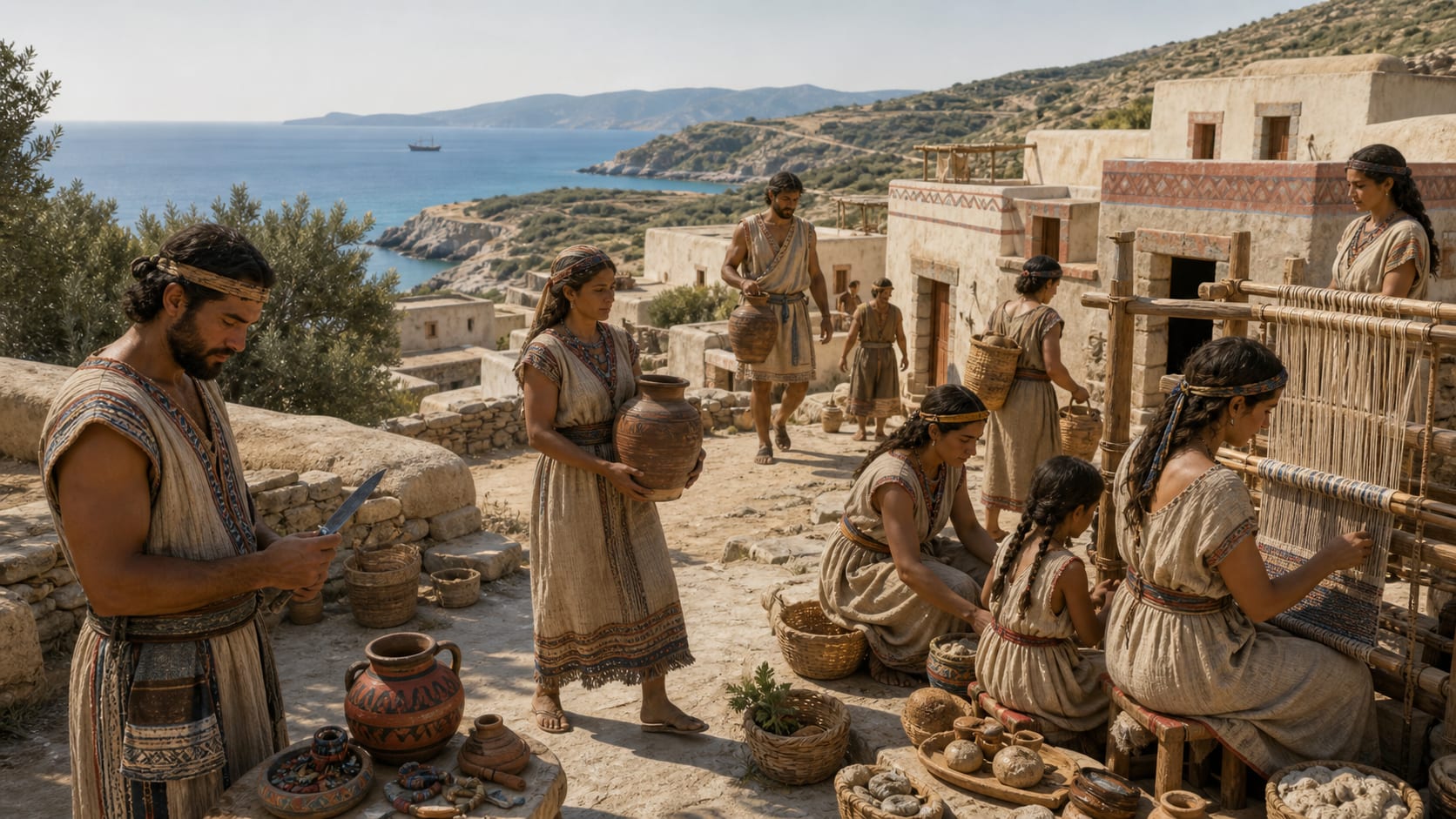
DNA from 102 prehistoric Aegeans traces migration into Crete and Greece, Mycenaean-era mobility, family burials and frequent cousin unions.
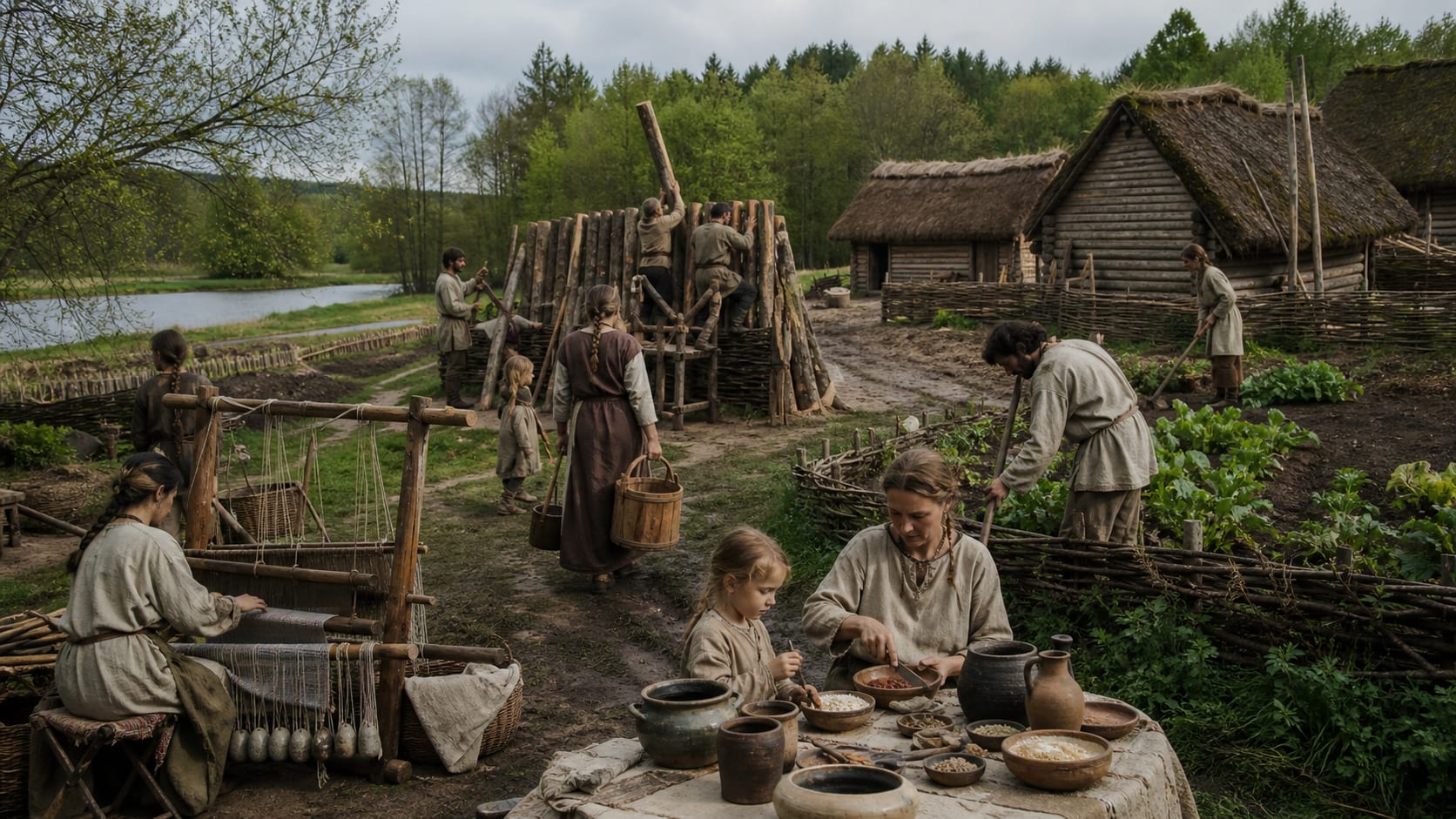
A 555-genome study traces large-scale Early Medieval migration associated with Slavic expansion, regional admixture and changing communities.
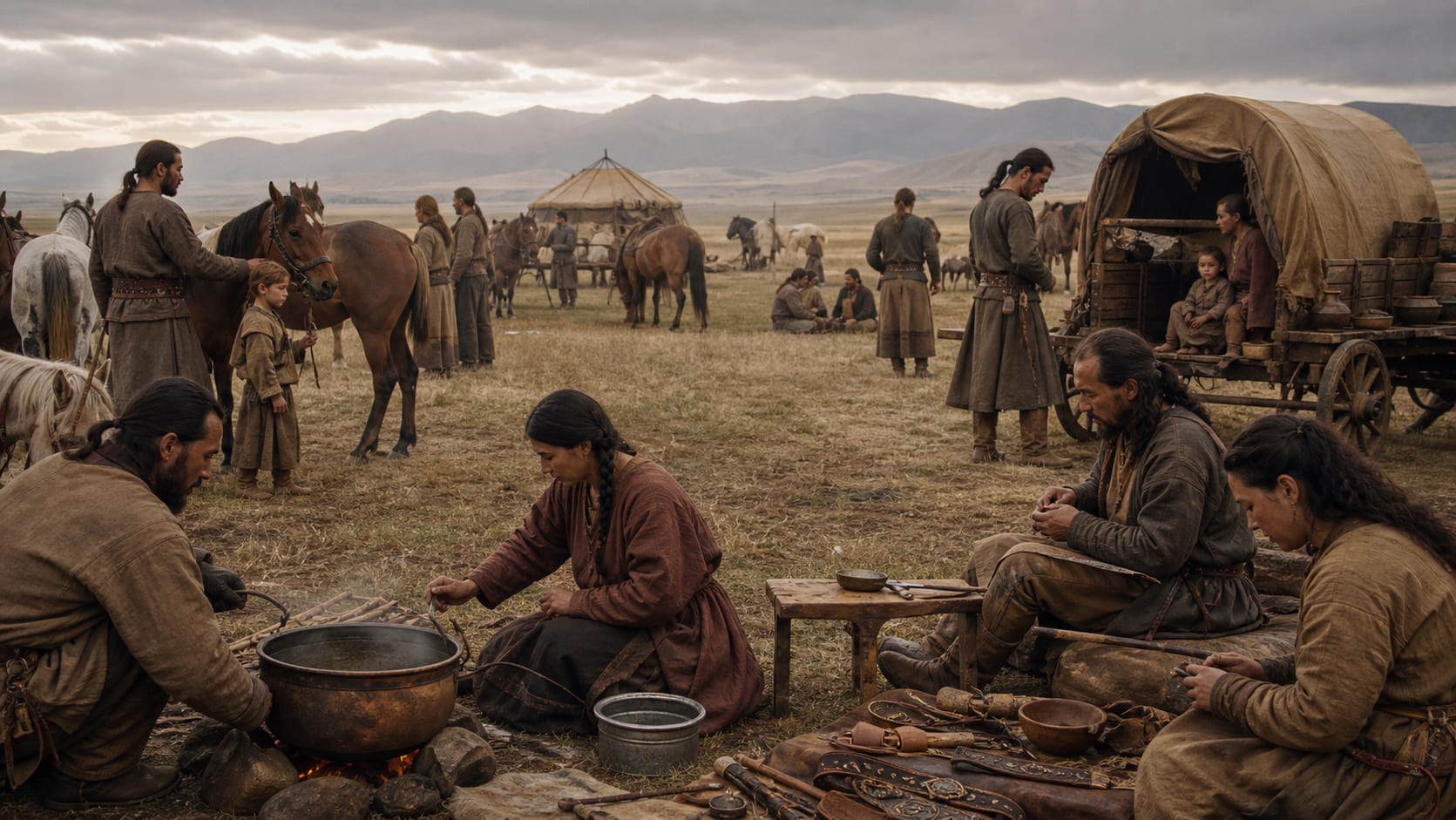
Ancient DNA connects some European Huns to Xiongnu elite lineages while revealing a highly diverse Carpathian Basin population.
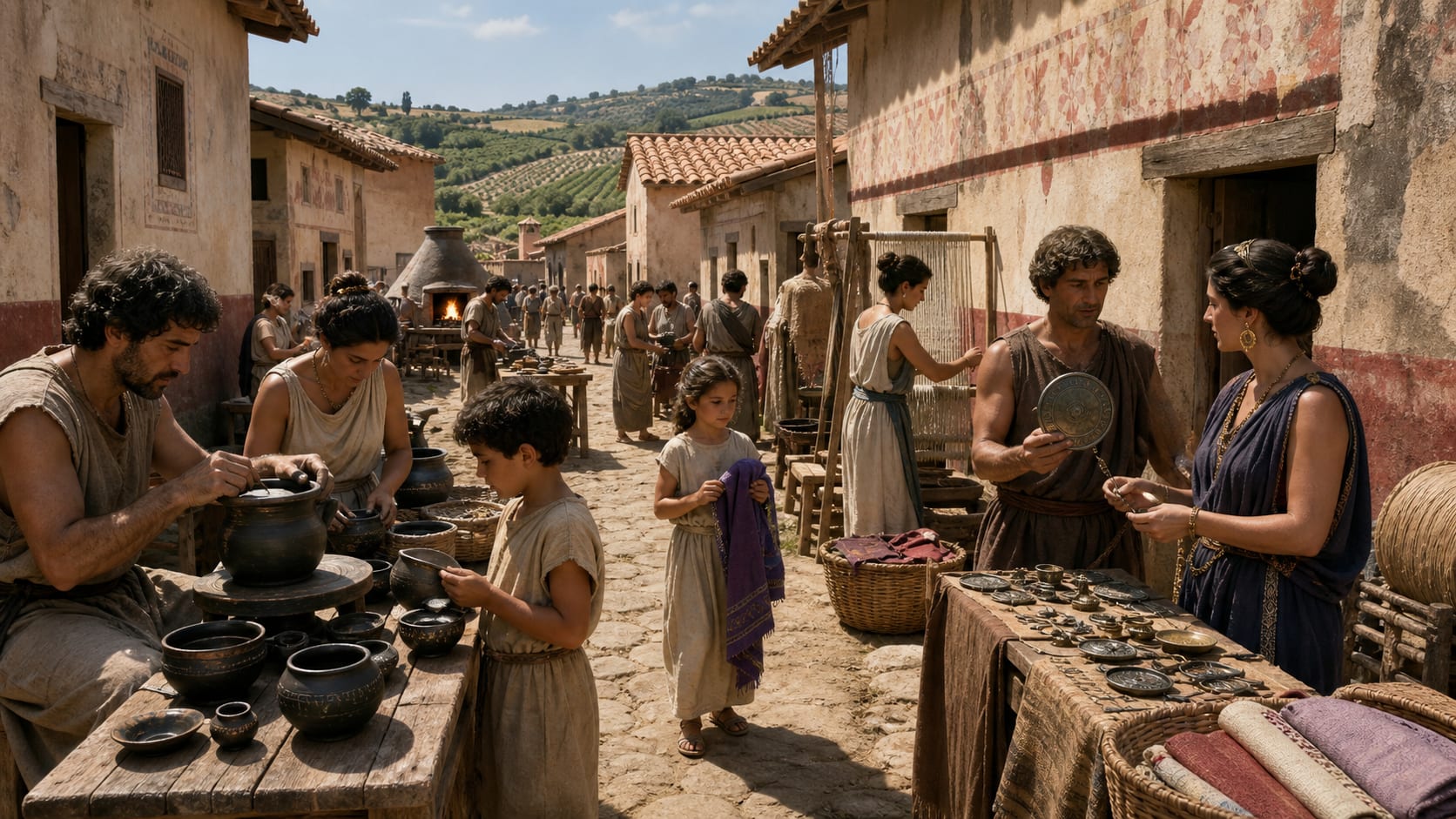
Ancient Etruscan DNA supports local Iron Age origins, genetic similarity to Latin neighbors and major ancestry shifts under imperial Rome.
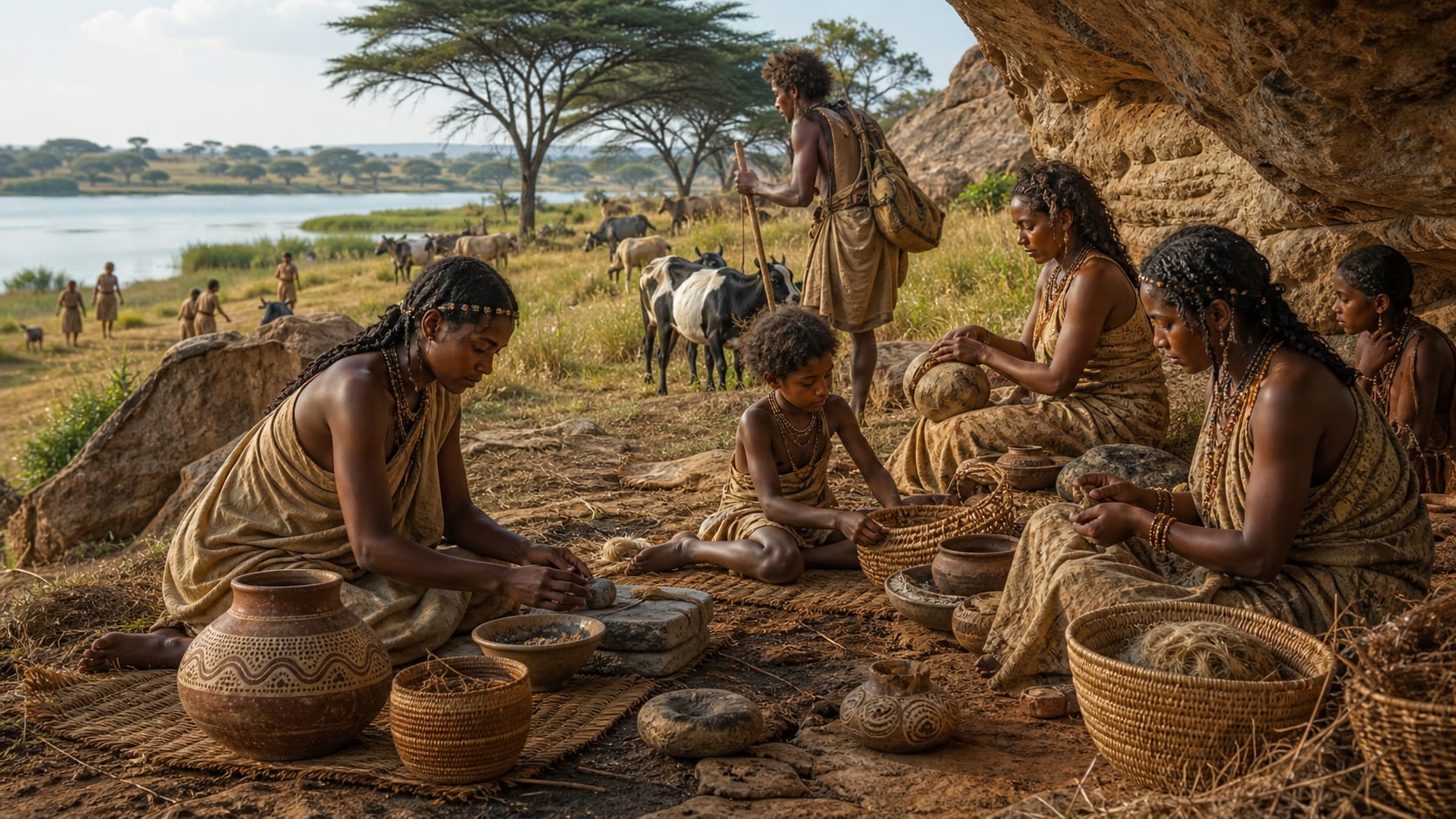
DNA from two women at Takarkori reveals a deeply rooted North African lineage and suggests Saharan pastoralism spread mainly through culture.
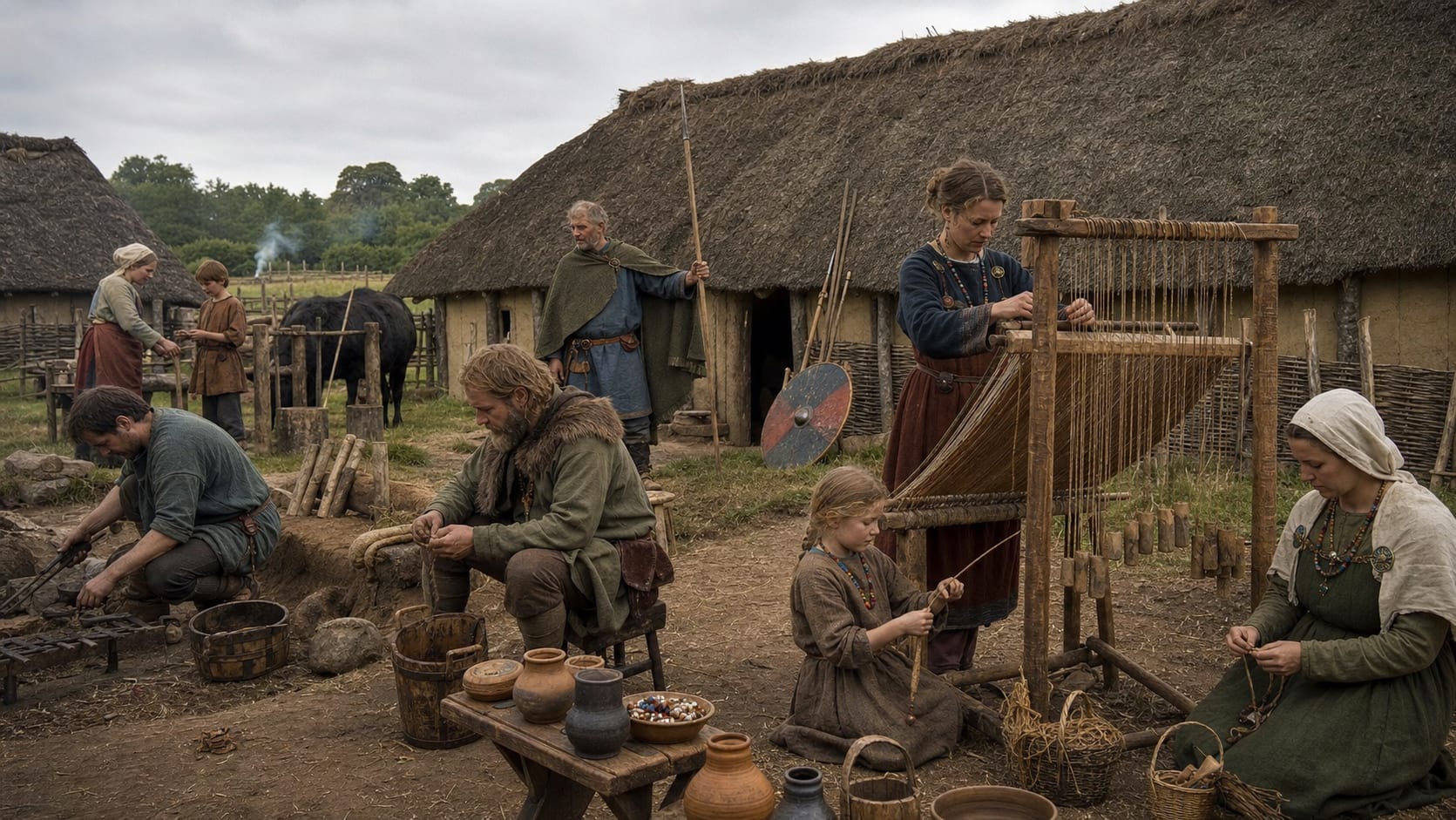
A 460-genome study reveals large North Sea migration, local integration and regional ancestry change in Early Medieval England.
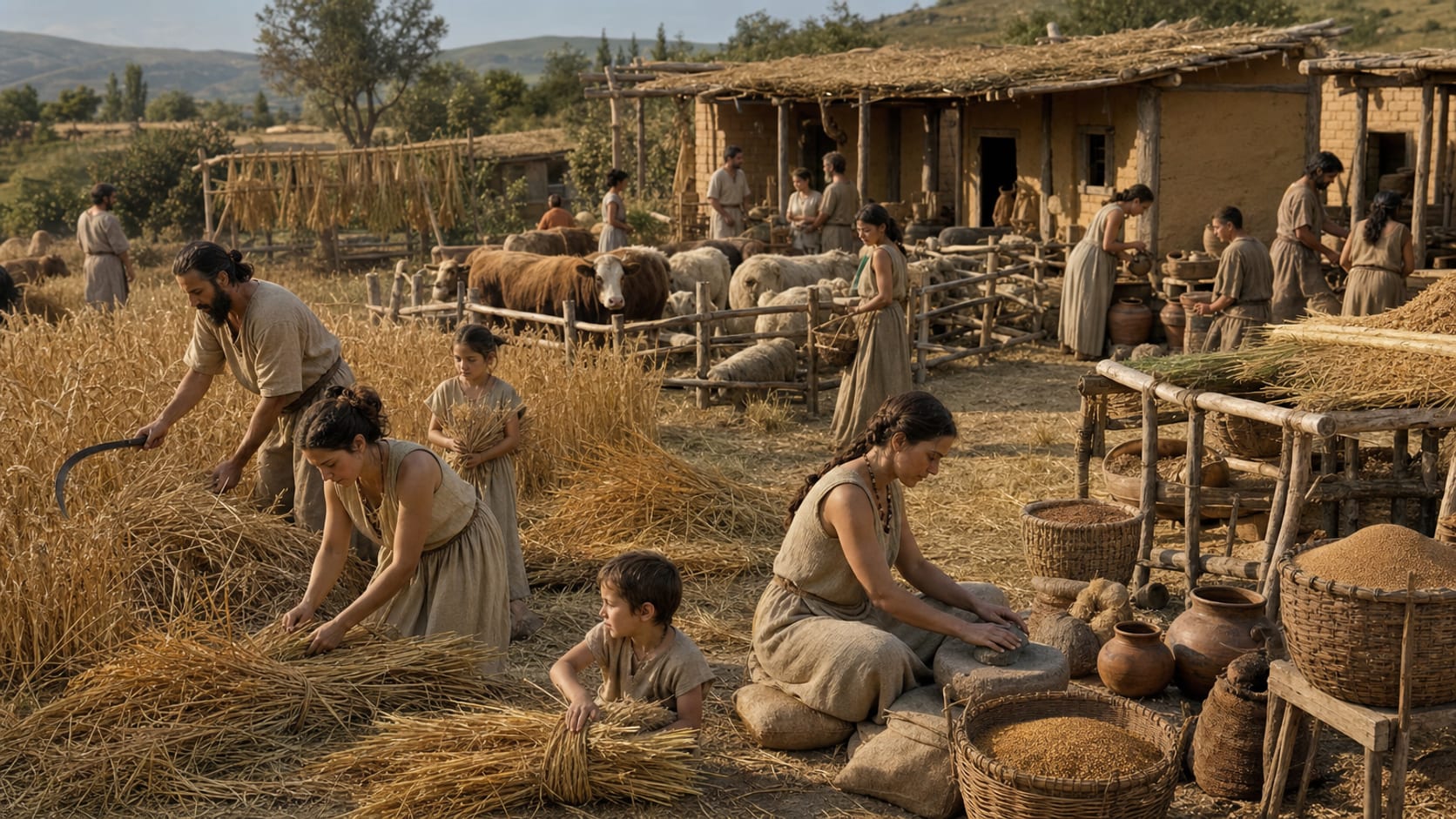
A study of 15,836 ancient and modern West Eurasians finds hundreds of genes under strong directional selection over the past ten thousand years.
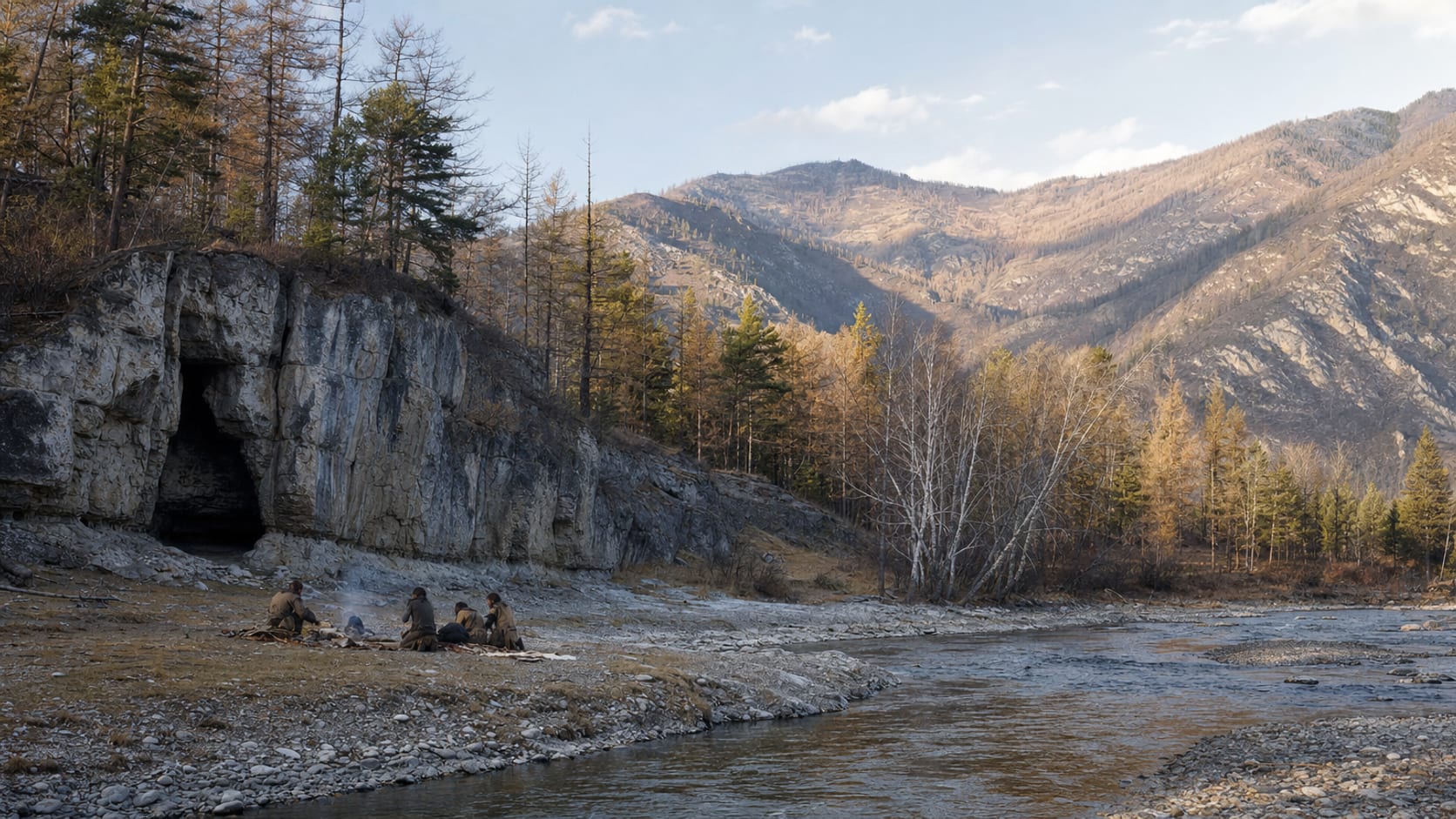
A 200,000-year-old molar from Denisova Cave yields a second high-quality Denisovan genome and reveals at least three distinct Denisovan groups.
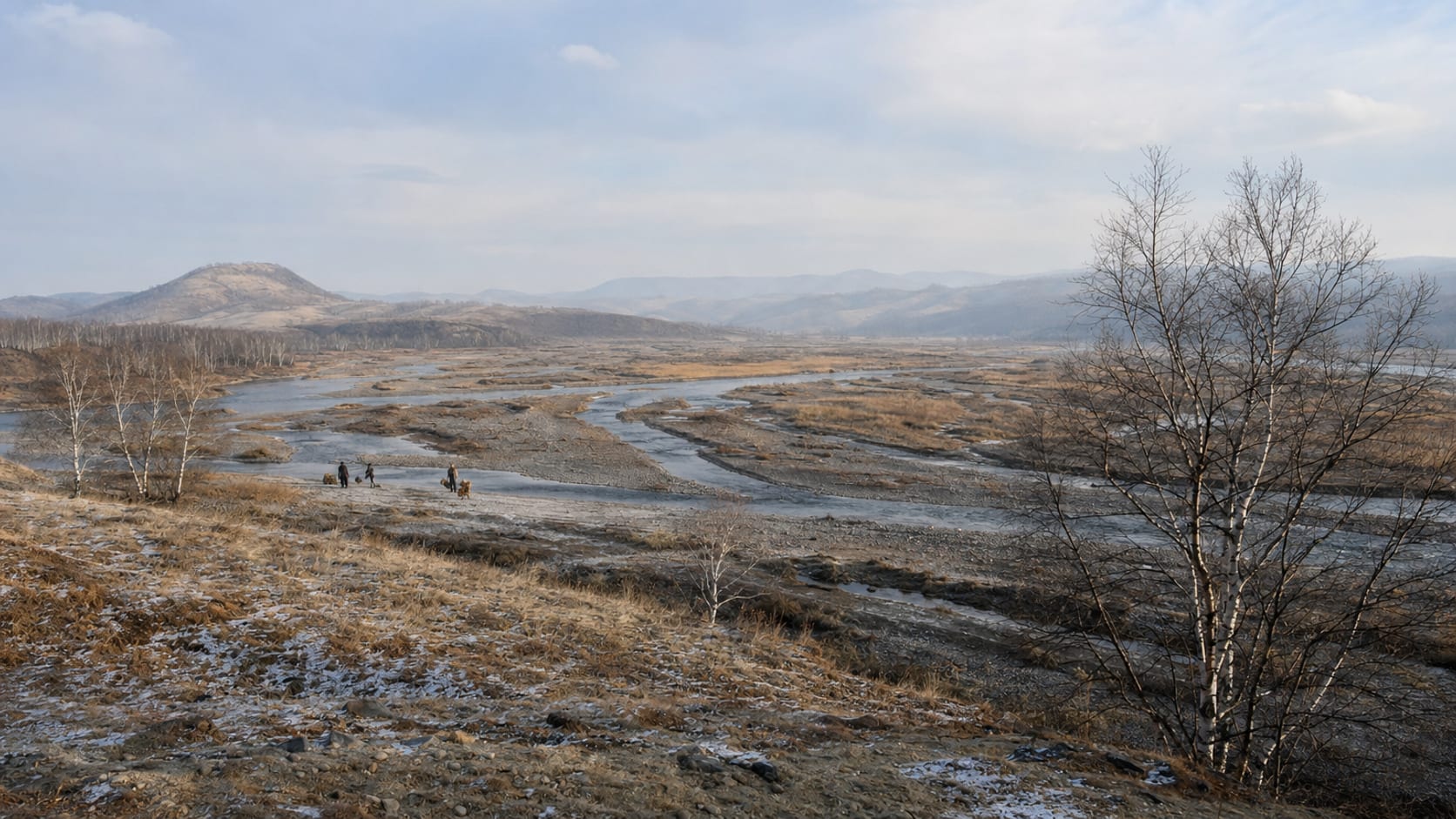
Ancient proteins and mitochondrial DNA from dental calculus identify the near-complete Harbin cranium from northeastern China as a Denisovan.
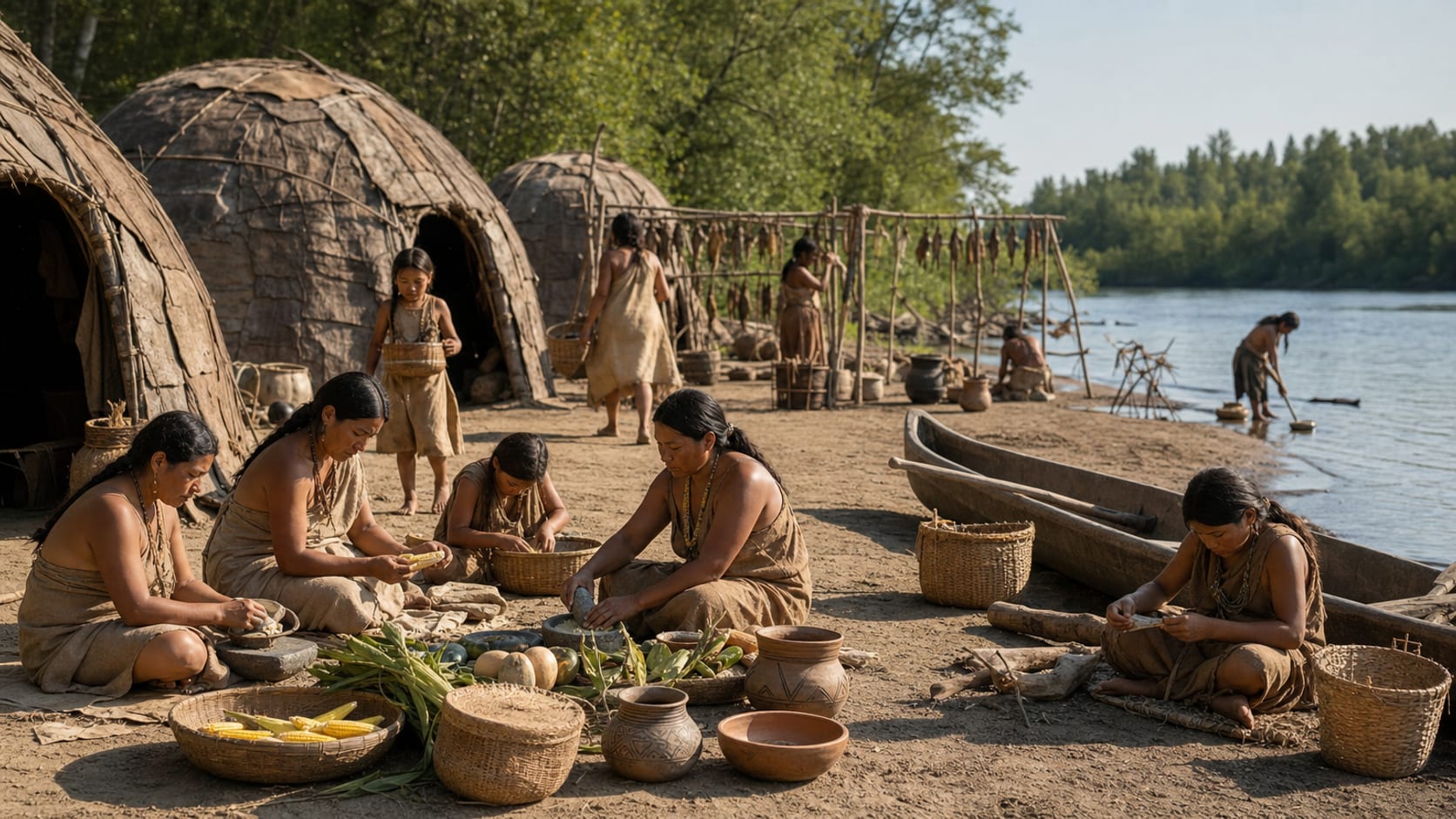
Ancient genomes of Mycobacterium lepromatosis from Canada and Argentina show a second leprosy pathogen circulating in the Americas before contact.
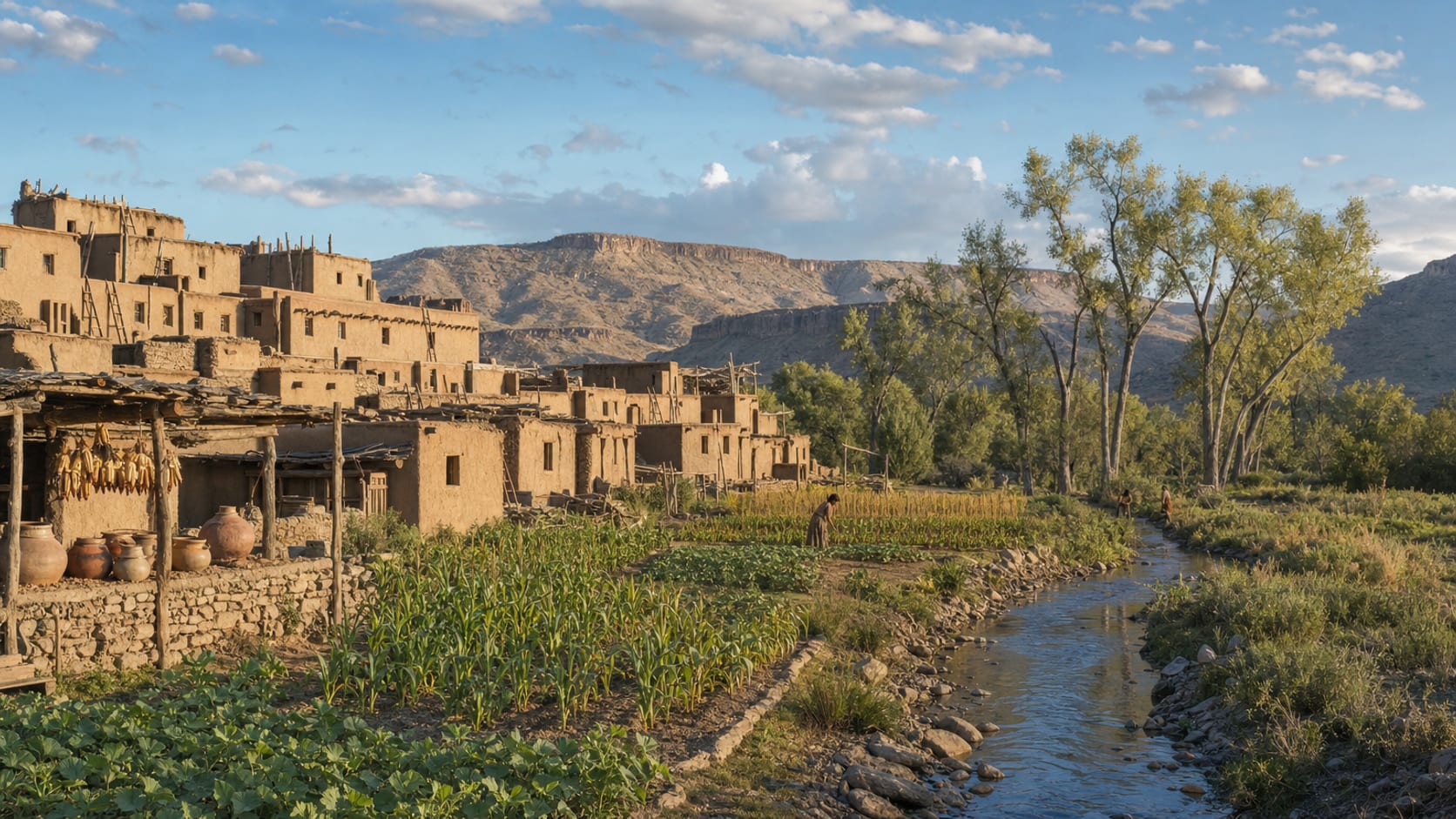
Picuris Pueblo initiated a genomic study of its own ancestors, showing continuity across a millennium and a firm link to Chaco Canyon.
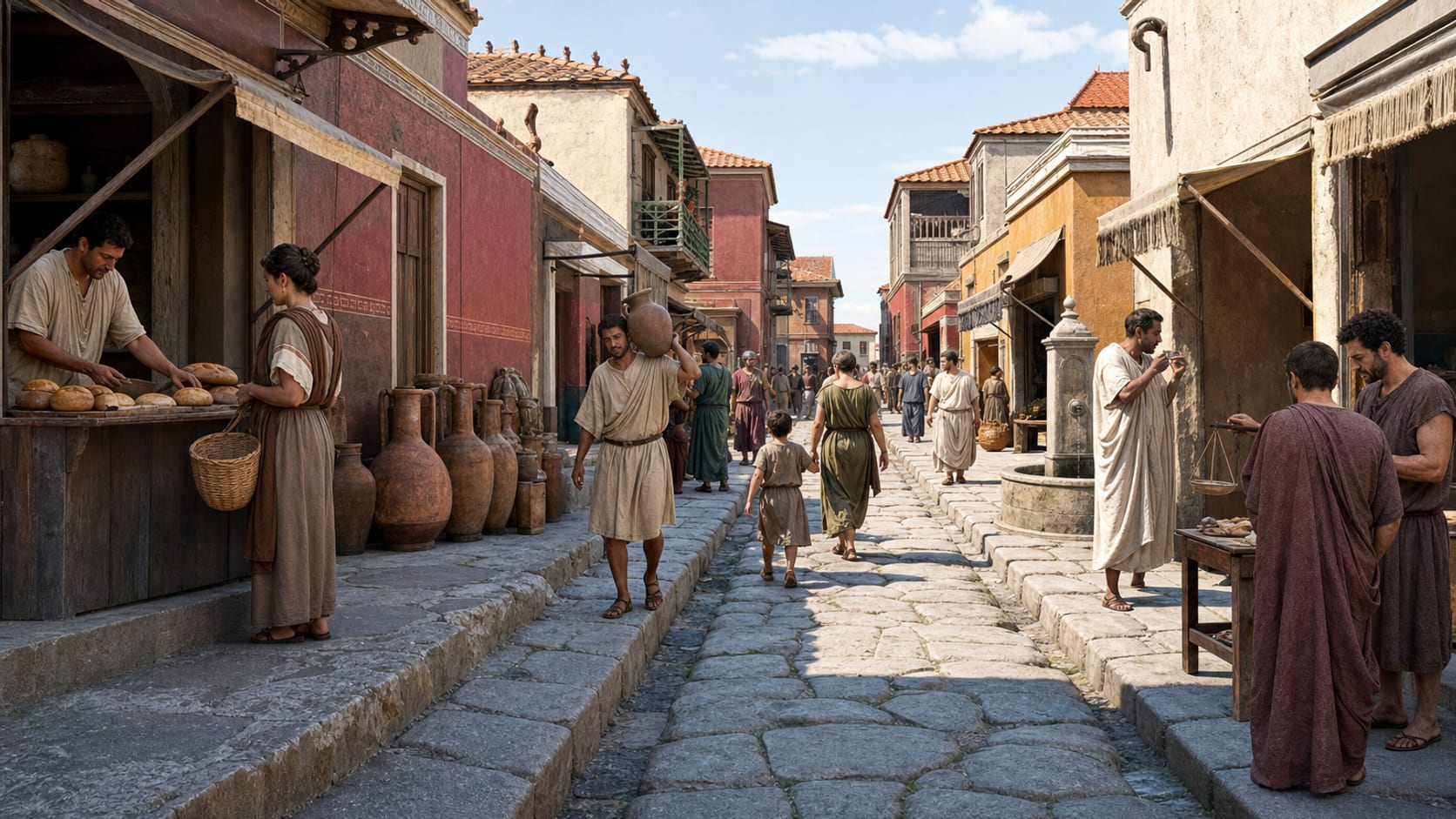
Ancient DNA from five Pompeii plaster casts overturns the family stories told about them for more than a century.
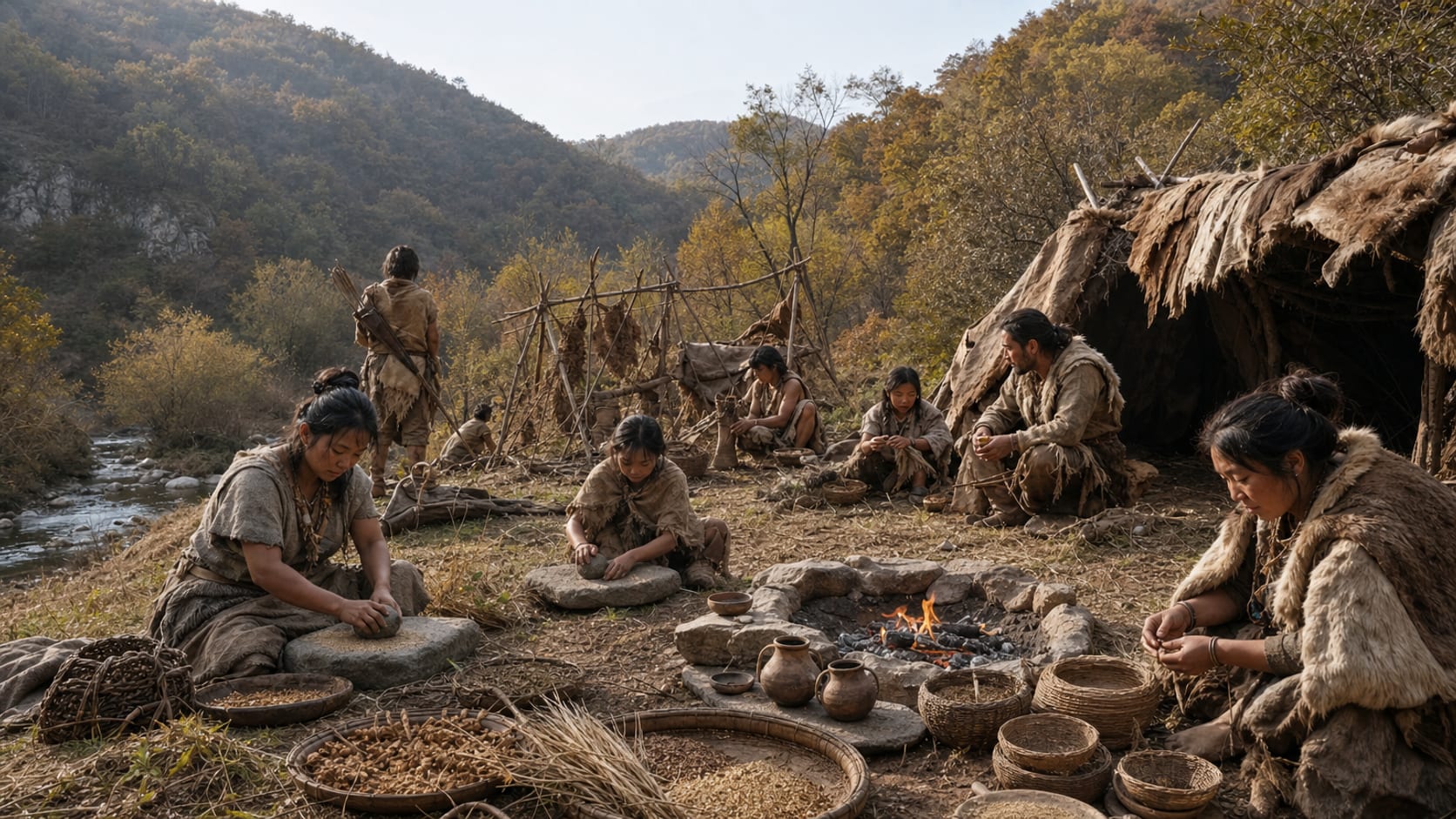
Genomes from an 11,000-year-old site near Beijing reveal an unknown deep northern East Asian lineage and 2,000 years of change at one place.

Ancient Balkan DNA reveals Roman-era Anatolian mobility, mixed late-antique migrations and lasting ancestry linked to Slavic expansion.